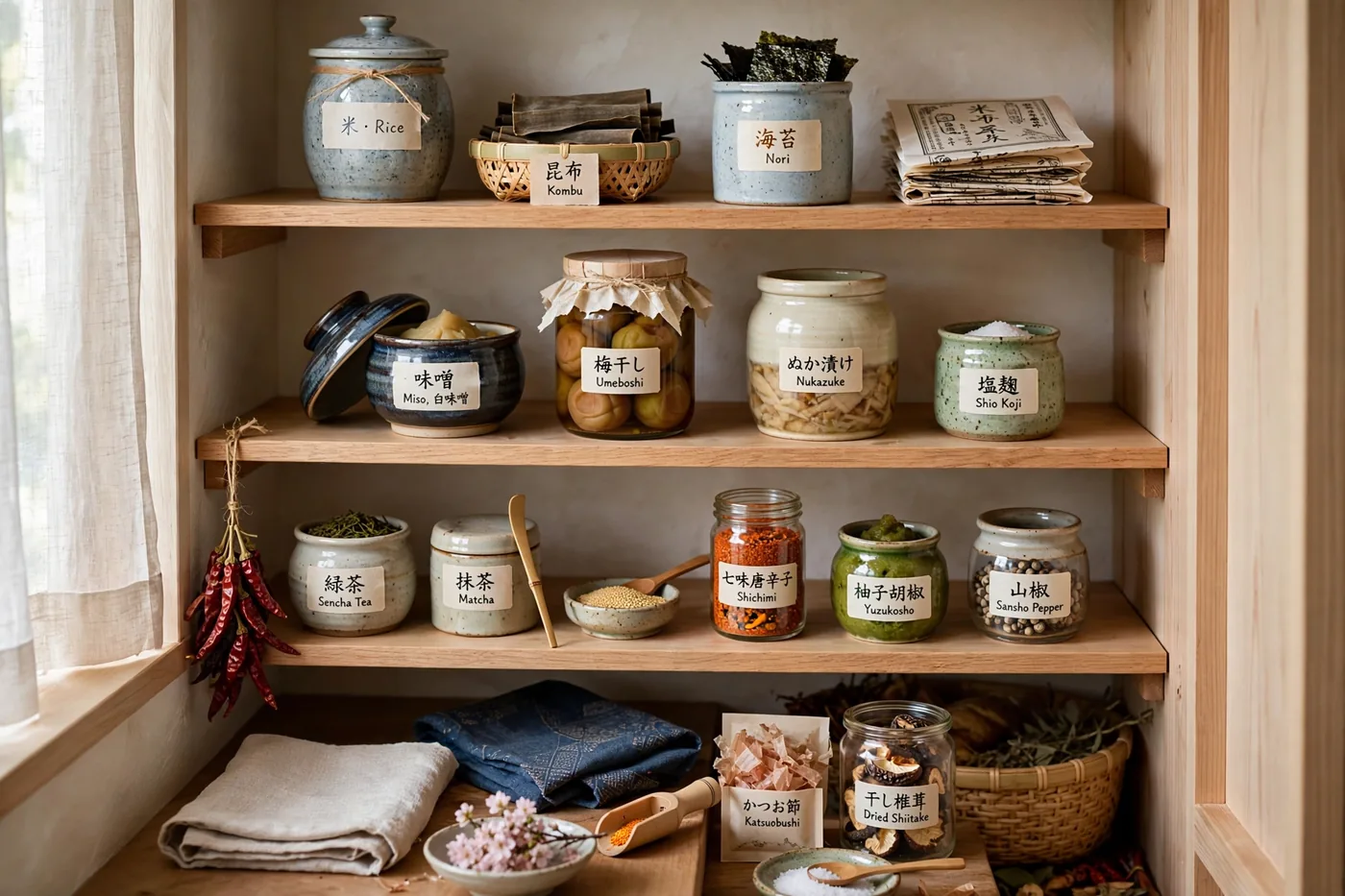
When people picture the traditional Okinawan diet—staples of purple sweet potatoes, bitter melon (goya), fresh coastal seaweed, and artisanal tofu—they often assume it requires an expensive trip to a specialty Japanese import store or a massive weekly grocery budget.
The reality is quite the opposite. The traditional Okinawan longevity diet is rooted in peasant traditions and agricultural resourcefulness. It relies on humble, whole foods that are remarkably affordable, highly nutrient-dense, and widely available at standard Western supermarkets.
Here is how you can adopt the Okinawan way of eating without breaking the bank, complete with a budget-friendly grocery shopping list.
The Core Pillars of Budget Okinawan Eating
Before diving into the aisles, it helps to understand the economic philosophy behind the diet. Okinawan centenarians historically derived over 80% of their calories from unrefined carbohydrates and vegetables. To replicate this on a Western budget, focus on three rules:
- Prioritize Root Vegetables: Ground staples provide long-burning energy and cost very little per pound.
- Embrace Plant-Based Proteins: Legumes, soy products, and local pulses replace expensive cuts of meat as the main event.
- Buy in Season and Bulk: Staples like rice and dried beans are cheapest when purchased in larger quantities and rotated with seasonal produce.
Your Okinawa Diet Budget Grocery List
You don’t need a specialty market to fill your cart. Here is what to look for during your next trip to your local supermarket:
1. Root Vegetables & Tubers (The Energy Base)
- Sweet Potatoes: Regular orange sweet potatoes or garnet yams are fantastic, budget-friendly stand-ins for Okinawan purple sweet potatoes (beni-imo). They are rich in complex carbohydrates and beta-carotene.
- Carrots: Inexpensive, versatile, and packed with antioxidants. Great for steaming, roasting, or tossing into soups.
- Daikon Radish: Usually very affordable in the produce section; excellent for digestion and stir-fries.
- Onions and Garlic: The universal flavor base for pennies per serving.
2. Leafy Greens & Cruciferous Veggies
- Cabbage: A true longevity superfood. Cabbage is remarkably cheap, has a long shelf life, and features heavily in traditional Okinawan stir-fries (champuru).
- Bok Choy or Spinach: Look for whatever Asian greens or dark leafy greens are on sale. They provide essential calcium, folate, and vitamins A and K.
- Broccoli: Affordable year-round and packed with sulforaphane and cellular-protection properties.
3. Soy & Plant-Based Proteins
- Firm Tofu: One of the cheapest protein sources available in Western supermarkets (often under $3 for a block). Tofu is a staple of Okinawan protein intake.
- Edamame (Frozen): Buy bags of frozen, shelled or unshelled edamame. They are cheap, require zero prep, and make an instant protein-rich side dish or snack.
- Dried or Canned Lentils and Beans: While soybeans are traditional, black beans, chickpeas, and lentils are cheap, fiber-heavy additions that stabilize blood sugar.
4. Sea Vegetables & Pantry Staples
- Dried Wakame or Kombu: Often found in the international aisle for a few dollars. A tiny bit expands significantly in water, giving you months of mineral-rich soups and salads.
- Brown or Short-Grain White Rice: Buy a bulk bag. Rice provides the reliable caloric backbone of daily meals.
- Miso Paste: A tub of white or red miso lasts for dozens of meals and costs very little per serving, serving as the base for daily gut-healthy soups.
- Green Tea: Standard loose-leaf or tea bags of Japanese green tea (sencha or matcha) provide daily antioxidants at a fraction of the cost of coffee-shop drinks.
Sample 1-Day Budget Okinawan Meal Plan
To see how these ingredients come together without straining your wallet, here is a simple daily menu:
- Breakfast: A warm bowl of short-grain rice with a side of steamed greens, green tea, and a soft-boiled egg (optional).
- Lunch: A quick cabbage and tofu stir-fry seasoned with soy sauce and garlic, served over a bed of brown rice.
- Dinner: A comforting bowl of miso soup with cubed tofu and wakame, paired with roasted sweet potato wedges and steamed broccoli.
- Snack: A handful of steamed warm edamame sprinkled with sea salt.
Eat Well, Spend Less
Longevity isn’t a luxury item reserved for those with high disposable incomes. By returning to whole, plant-forward, and unpretentious ingredients, you can nourish your body the Okinawan way while keeping your grocery bill remarkably low.
Sources
The staple list here (sweet potato, tofu, greens, seaweed, small amounts of fish) mirrors the composition of the traditional Okinawan diet as documented by the Okinawa Centenarian Study.
- Willcox BJ, Willcox DC, Todoriki H, et al. Caloric restriction, the traditional Okinawan diet, and healthy aging. Ann N Y Acad Sci 2007;1114:434–455.
- Willcox DC, Willcox BJ, Todoriki H, Suzuki M. The Okinawan diet: health implications of a low-calorie, nutrient-dense, antioxidant-rich dietary pattern low in glycemic load. J Am Coll Nutr 2009;28 Suppl:500S–516S.