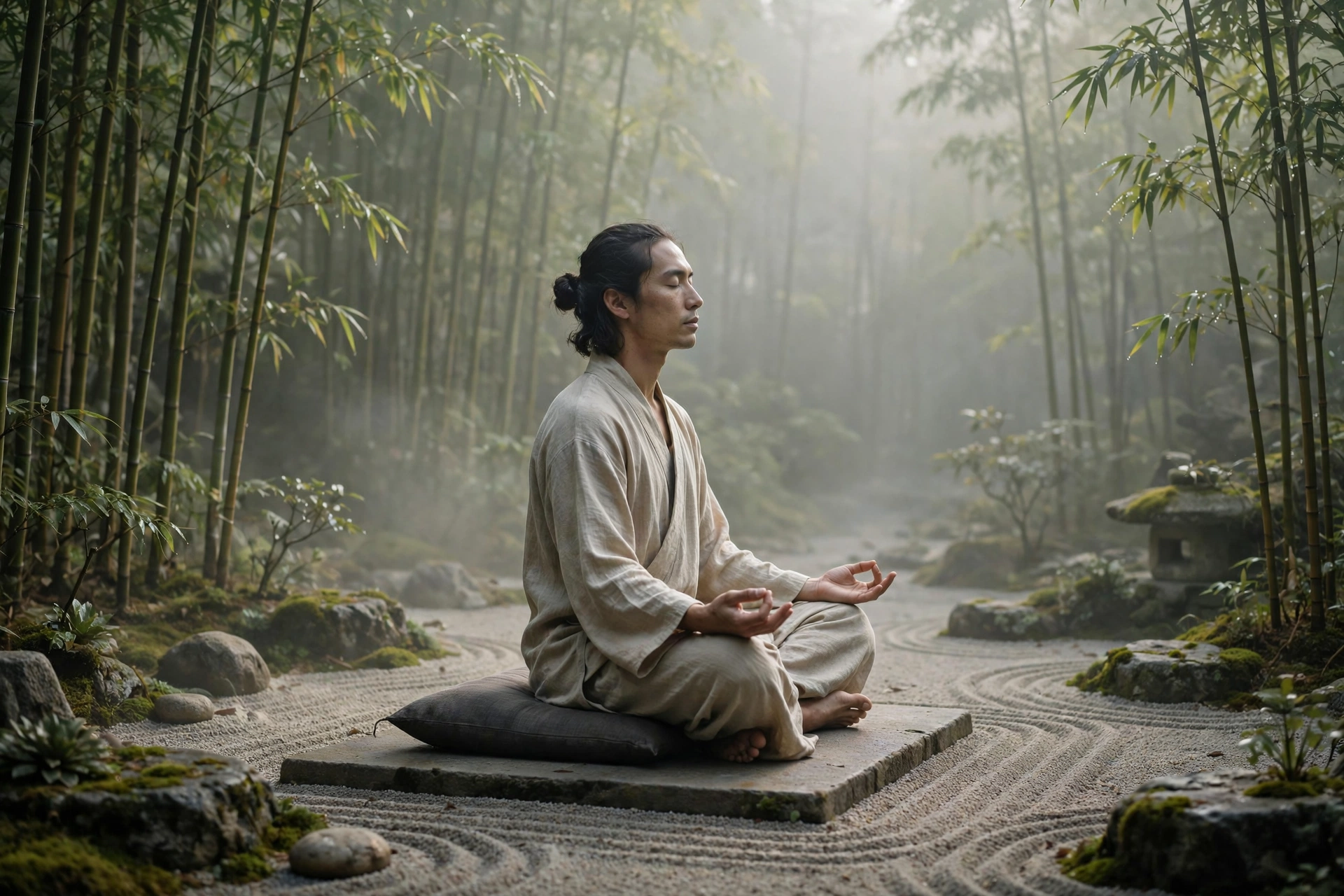
In our modern, hyper-connected lives, evening often feels like a continuation of the day rather than its conclusion. We transition from glowing computer screens to television monitors, carrying the cognitive residue of emails, deadlines, and notifications right up until our heads hit the pillow. Is it any wonder that deep, restorative sleep has become an elusive luxury?
If you struggle to unwind at night, the solution may lie in ancient Japanese evening traditions. In Japan, the transition from day to night is marked by deliberate rituals designed to signal the nervous system that the work is done, the day is honored, and it is time to rest.
Here is how you can create your own evening restoration sanctuary through the principles of Onsen bathing, grounding, and deep-sleep mindfulness.
1. The Power of the Evening Soak (Furo Tradition)
In Japan, bathing is rarely a rushed, functional hygiene chore. It is a sacred daily ritual of decompression. While traditional mineral-rich volcanic onsen hot springs are a cornerstone of Japanese wellness culture, you can replicate their restorative magic in your own home tub.
- The Science of the Soak: Immersing yourself in warm water raises your core body temperature. When you step out, your body experiences a rapid, natural temperature drop—a biological cue that mimics the natural cooling process required for the brain to release melatonin and enter deep sleep.
- How to Practice It: Draw a warm bath (around 38°C to 40°C or 100°F to 104°F). Add Epsom salts or a few drops of cedar or hinoki essential oil to evoke the scent of a traditional Japanese forest bath. Soak for 15 to 20 minutes, leaving your smartphone in another room.
2. Digital Sunset and Sensory Grounding
True relaxation cannot happen while your brain is processing high-frequency blue light and incoming alerts. Japanese minimalist design principles emphasize empty space (ma)—giving the mind room to breathe.
- The Grounding Shift: As evening falls, begin dimming the overhead lights in your home. Transition to warm, low-level lamps or amber lighting. This honors your circadian biology, telling your retinas that the sun has set.
- Sensory Decompression: Spend five minutes engaging a single, calming physical sense. This could be listening to ambient rain sounds, feeling the soft texture of linen loungewear, or practicing a gentle restorative stretch on a floor mat.
3. Gratitude and the Release of Today
In many longevity-focused households, the evening is a time of quiet reflection. Carrying unresolved stress or tomorrow’s to-do list into the bedroom guarantees a restless night.
- The Brain Dump: Take two minutes before bed to write down three things that brought you peace during the day, or jot down tomorrow’s pressing tasks so your subconscious knows they are safely recorded and don’t need to be memorized overnight.
- Mindful Breathing: Lie flat on your back, place your hands on your lower abdomen (hara), and take ten slow, deep breaths. Make your exhales twice as long as your inhales to actively stimulate the vagus nerve and shift your body out of “fight or flight” mode.
Build Your Evening Sanctuary
You do not need an elaborate spa or a secluded mountain ryokan to experience deep rest. By weaving intentional micro-rituals—a warm soak, a digital sunset, and a quiet moment of release—into your nightly routine, you can transform your bedroom into a true sanctuary of sleep.
The Circadian Rhythm & Light Tracker
Align your daily light exposure, nutrition, and restorative wind-down with your body’s biological clock.