Warming breakfasts
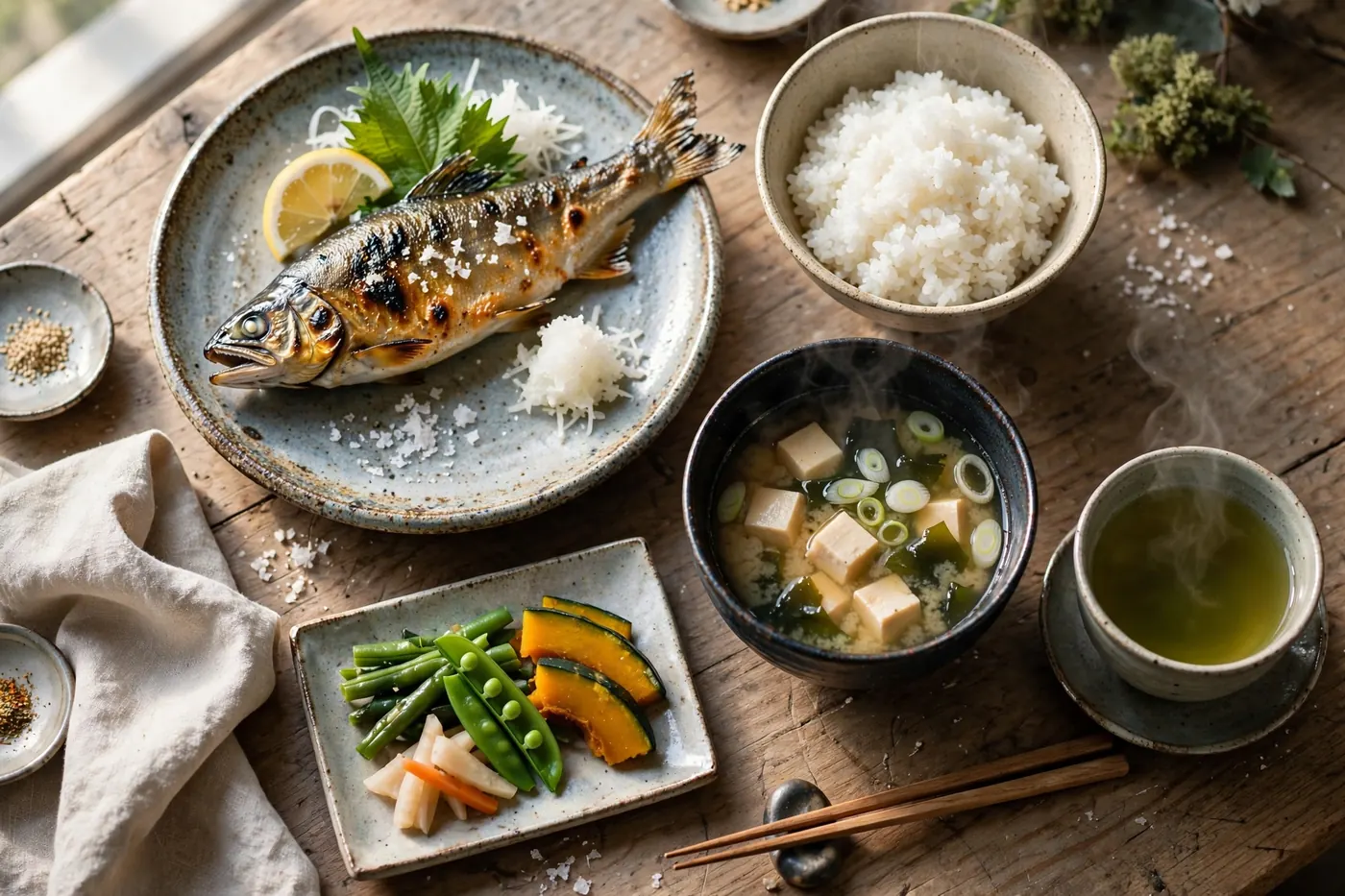
Congee, miso soup, soft grains. Savoury and warm rather than sweet and cold — the change most people notice fastest.
Recipes for a quieter, warmer, and more nourished life.
A collection of everyday dishes drawn from Chinese dietary thinking, Ayurvedic principles and Asian home cooking. Warm, simple, seasonal food — the kind that asks twenty minutes rather than an afternoon, and rewards you for paying attention while you make it.
These recipes are inspired by traditional wellness perspectives and written for enjoyment and everyday cooking. They are not medical advice and make no therapeutic claims.
Nothing here is a plan you complete. There is no phase one, no thirty-day reset, no before and after. The collection assumes you will still be cooking these dishes in ten years, and is built accordingly.
Most of these dishes are warm and most are cooked. That preference runs through Chinese dietary tradition and Ayurvedic practice alike, and it happens to suit the way most people actually feel in winter. Ingredients follow the season rather than the supermarket.
Short lists. Ordinary shops. Techniques that reward attention rather than equipment. If a recipe cannot be made on a weeknight by someone who is tired, it does not belong in the collection.
Traditional dietary thinking rarely separates what you eat from when and how you eat it. Regular hours, sitting down, stopping before full — these are treated as part of the recipe rather than advice appended to it.
Organised by the moment you are cooking for rather than by cuisine or ingredient.
Congee, miso soup, soft grains. Savoury and warm rather than sweet and cold — the change most people notice fastest.
Built on kombu, shiitake or a simple vegetable stock. Thin and clear in summer, thicker and rooted in winter.
One bowl, three or four components, assembled rather than cooked. The weeknight backbone of the collection.
Lighter, earlier, easier to digest. Built around the traditional preference for not asking much of the body after dark.
Ginger, chrysanthemum, roasted barley, aged pu-erh. What each is traditionally reached for, and when.
Dals, khichdi, spiced milks. Warming spice used structurally rather than decoratively, with the six-taste principle explained.
Miso, kombu, gochugaru, ghee, tamari, rice vinegar. What to buy once so the rest becomes improvisation.
Single-pot dishes for when cooking has to be easy. Eight ingredients or fewer, minimal attention, nothing to time precisely.
Six dishes that show the range. One is free to read in full below.
FreeAutumn · Warming
A clear, restorative broth built on dried shiitake and kombu, finished with miso off the heat.
View recipeAny season · Gentle
Rice cooked far past the point most cooks stop, until it collapses into something between porridge and soup.
Unlock recipeWinter · Ayurvedic
Red lentils, turmeric, cumin and ginger, finished with a tempering of spices bloomed in ghee.
Unlock recipeAutumn · Soothing
A whole pear steamed until translucent. Traditionally eaten in dry autumn weather; mostly it is just very good.
Unlock recipe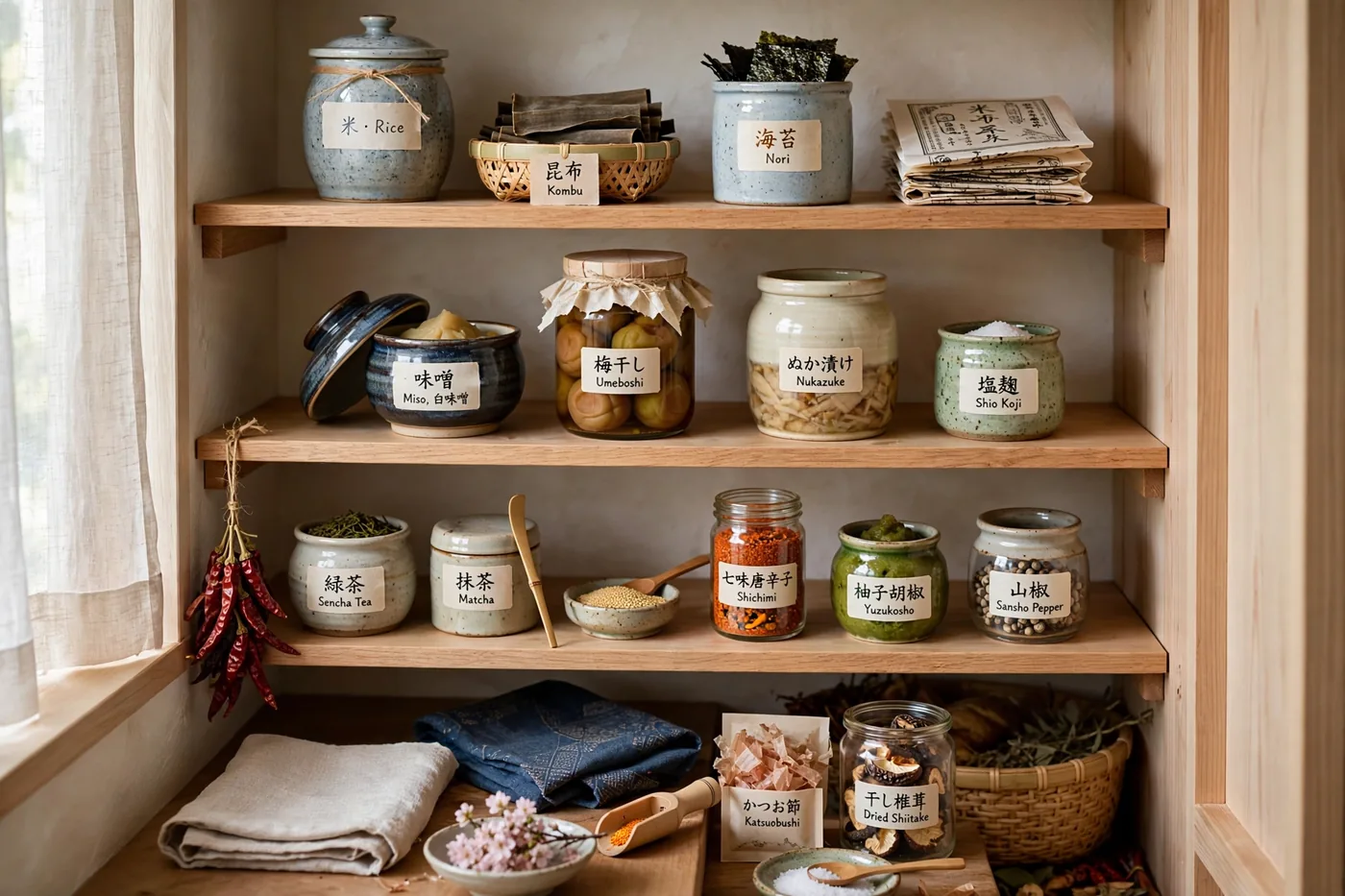 Premium
Any season · Everyday
A method rather than a recipe: grain, two vegetables, something fermented, something with fat, something sharp.
Unlock recipeWinter · Grounding
Roasted until the edges caramelise, split open, dressed with loosened tahini and toasted black sesame.
Unlock recipeConcrete things, not a promise of transformation.
Each dish tested, timed and written for a domestic kitchen — not scaled down from a restaurant method.
One page, no photographs, no scrolling. Designed to be splashed on and kept.
Vegan alternatives to dashi and ghee, gluten-free tamari for soy, and what to use when an ingredient is simply unavailable.
Where a dish comes from, what it is traditionally eaten alongside, and which step actually determines the result.
Given as full alternatives rather than an afterthought — kombu-and-shiitake dashi is a recipe, not a footnote.
Six to eight recipes arriving with the season, plus a short note on what is worth cooking now.
Organised by shop section, with the pantry staples separated from the fresh items you actually need this week.
What to drink alongside, and why a roasted barley tea suits a heavy meal better than a green one.
A paragraph on why the dish exists, connecting the cooking to the wider practice. Never more than you want to read while hungry.
Short spoken walkthroughs for the longer methods. Not yet available; included when it arrives, at no extra cost.
The whole method, exactly as it appears in the collection.
Autumn · Warming
Almost nothing to it: dried mushrooms and a piece of kelp, steeped rather than boiled, sharpened with ginger and finished with miso once the pan is off the heat. Twenty-five minutes, most of which is waiting.
Allergens: soy (miso, soy sauce). Contains gluten unless tamari and rice miso are used. Naturally vegan.
This recipe is free. The collection adds printable cards, tea pairings, seasonal substitutions and a further forty-eight dishes across the year.
See what is includedFree companion app
One hundred gentle recipes inspired by Asian culinary traditions, seasonal rhythms, and the simple pleasure of preparing a meal with attention. Free to use, no account needed.
Opens in a new tab · chungbooks.fr/kitchen/
No subscription trap, no urgency, no countdown. Read the free recipes for as long as you like.
€0Always
€4per month · placeholder pricing
€18one-time · placeholder pricing
Pricing shown is provisional and no payment system is connected yet. Join the list below and you will hear when the first seasonal collection is ready.
These recipes exist for education, inspiration and pleasure. They are food, written about carefully.
Traditional systems — Chinese dietary therapy, Ayurveda, Japanese home practice — use their own concepts and categories. Warming and cooling, the six tastes, the doshas: these are frameworks internal to those traditions with long histories and real internal logic. They are not equivalent to modern medical diagnosis and should not be read as such. Where this collection describes a traditional association, it says so explicitly.
Nothing here treats, prevents or cures any condition. If you have a health concern, are pregnant, manage a chronic illness, take prescribed medication, or are considering a significant dietary change, speak to a qualified doctor or registered dietitian who knows your circumstances.
Allergens are listed on every recipe. Soy, sesame, gluten and nuts appear frequently in this cuisine. Substitutions are given where a straightforward one exists, but if you have a diagnosed allergy, read ingredient labels yourself — miso, soy sauce and stocks vary considerably between producers.
Seasonal living, books, and the quiet art of feeling well. Sent when there is something worth saying — not on a schedule.
One email at a time. Unsubscribe with one click. Your address is never shared or sold. See our privacy policy.